


BEMI Development Council (BDC)
Advancing Quantitative Cleaning Standards for Safer Healthcare Environments
The BEMI Development Council (BDC) is at the forefront of pioneering a new approach to environmental surface cleaning in healthcare settings. Through collaborative research between the nonprofit 501(c)(3) Indoor Exposure Index and Dr. Charles Gerba at the University of Arizona, we are developing the Bioload Exposure Metric Index (BEMI)—a groundbreaking standard that links cleaning processes directly to health outcomes.
Background
The BEMI framework utilizes Quantitative Microbial Risk Assessment (QMRA) in combination with ATP sampling to transform how hospitals evaluate and improve environmental cleaning. By providing data-driven insights, BEMI empowers facilities to reduce exposure to pathogens, lower the risk of illness, and achieve measurable reductions in absenteeism and presenteeism. This evidence-based approach also delivers a quantifiable return on investment for hospitals, supporting smarter resource allocation and improved patient well-being.
Effective cleaning forms the critical foundation for any disinfection regimen. BEMI supports the use of EPA-Registered disinfectants and technologies such as UVC, helping ensure that these interventions reach their full potential through robust surface cleaning practices.
Role of the BEMI Development Council (BDC)
The BDC is a voluntary group dedicated to shaping the future of cleaning standards in healthcare. Members contribute expertise and feedback to the evolving BEMI metric, which may include participation in field testing and supporting its integration into healthcare-associated infection (HAI) reduction programs. With complete flexibility, BDC members can choose their level of involvement—helping advance a safer, cleaner future for all.
Join us as we build the next generation of cleaning standards. Together, we can create environments where health outcomes are improved, risks are reduced, and every cleaning process makes a measurable difference.
Note: While improving and validating surface cleaning through BEMI is vital, it’s only part of a layered defense strategy to promote health that includes reducing airborne exposures—e.g., showing the relationship between air and surface contamination—thus, BEMI should be used in tandem with the IAQ Exposure index re: airborne pathogens along with other indices.
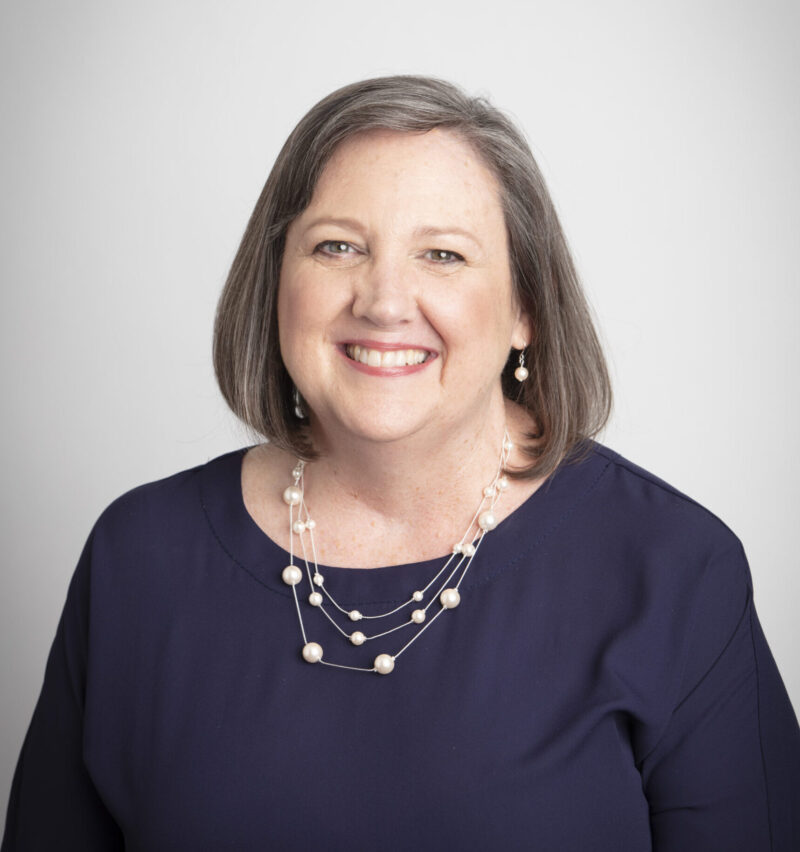
Lisa Caffery
MS, BSN, RN, Med-Surg-BC, CIC, AL-CIP, FAPIC
Board Member – Association for Professionals in Infection Control and Epidemiology (APIC)
Ms. Caffery is an infection preventionist and registered nurse with more than forty years of experience in acute and ambulatory care settings. She is currently a member of the Association for Professionals in Infection Control and Epidemiology (APIC) Board of Directors serving as treasurer. She is also a clinical editor for the APIC Text-On-Line. Ms. Caffery was one of the contributing authors of the APIC/IPAC-Canada Infection Prevention and Control (IPAC) Decision Making Framework Tool Kit. She is a past chair of the APIC Professional Development Committee and was instrumental in the development of the current APIC Competency Model.
Ms. Caffery also serves as adjunct faculty at Eastern Iowa Community College in Bettendorf, Iowa. In this role she serves as both classroom and clinical faculty. She is a member of the Iowa Nurses Association serving as president in 2020-2022.
Ms. Caffery holds both CIC, AL-CIP certification from the Certification Board for Infection Control and American Nurses Credentialing Center certification in medical-surgical nursing. She is a Fellow of the Association for Professionals in Infection Control and Epidemiology.
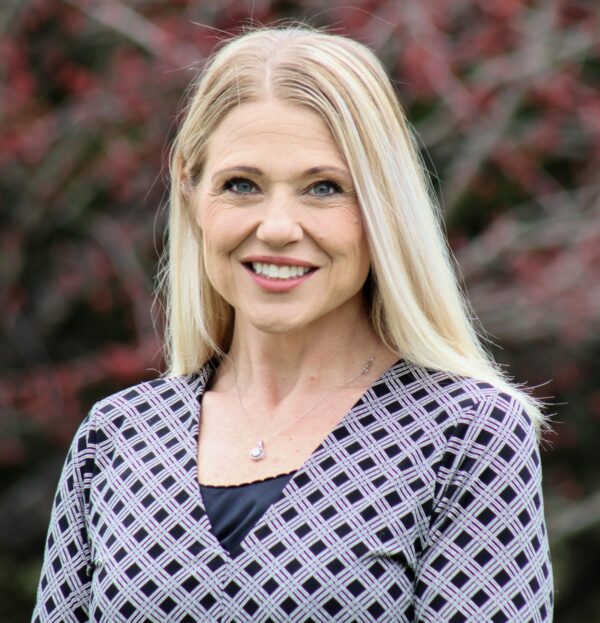
Ericka Kalp
PhD, MPH, CIC, FAPIC
Associate Clinical Professor at Drexel University
Founder and CEO of IPC Launch, LLC
Dr. Ericka Kalp is a clinical, academic, and industry leader in infection prevention and control (IPC). She is an Associate Clinical Professor at Drexel University. She serves as the Director of Infection Prevention and Control Academic Programs within Drexel University’s Dornsife School of Public Health. Dr. Kalp is the Founder and CEO of IPC Launch, LLC. She mobilizes IPC Launch’s mission by supporting healthcare facilities and industry partners in their efforts to advance and launch the field of infection prevention and control through professional IPC consulting, on-site assessments, academic research, and the adoption of IPC biomedical products. She is an accomplished epidemiologist and infection prevention professional with over 20 years of experience spanning various healthcare settings, including acute care, long-term care, ambulatory care, dental clinics, surgical centers, state and local health department settings, and the biomedical industry. Dr. Kalp specializes in healthcare facility outbreak investigations, evidence-based implementation of infection prevention and control practices, epidemiological trend analysis, and infection prevention and control instruction for healthcare workers and graduate students.
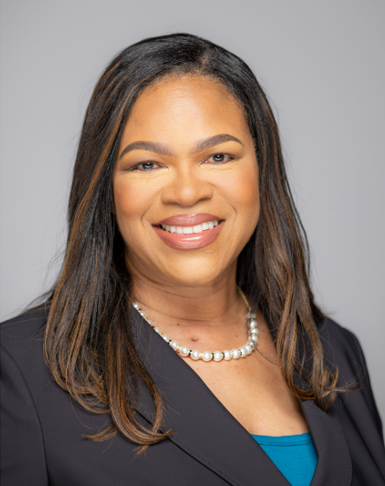
Joi McMillon
BSN, MBA HA, CRRN, WCC, CJCP, HACP-CMS, CIC, AL-CIP
President, APIC Miami-Dade Chapter
Founder and CEO, J.A.D. Infection Control Experts
For more than three decades, Joi A. McMillon has been a transformational force in post-acute care, infection prevention, and regulatory compliance. With deep roots in nursing leadership and over 30 years dedicated to protecting patients and elevating healthcare quality, Joi brings a rare blend of clinical expertise, operational insight, and resilient leadership.
In 2007, she founded J.A.D. Infection Control Experts, a consultancy that has helped hospitals, long-term care facilities, skilled nursing facilities, and assisted living centers not only achieve survey readiness — but sustain it every single day. Her work is driven by a simple truth she models wherever she leads: compliance is not an event; it’s a culture.
Joi is recognized internationally as a speaker and subject matter expert in infection prevention and regulatory compliance. She has contributed extensively to the profession as an item writer for the CIC exam; a contributor to the APIC Learning System for CIC Books 1 & 2 and LTC-CIP Books 1 & 2; and a subject matter expert for APIC’s LTC Policy Pro. Her voice and expertise have been featured through Infection Control Today®, where she served as a panelist, and on the Transmission Control Podcast as part of their regulatory compliance series.
She currently serves as President of the APIC Miami-Dade Chapter and works as a Quality Improvement Consultant with the CMS QIN-QIO for the southern region — roles that reflect her commitment to strengthening systems and improving outcomes across the continuum of care.

Robert W. Powitz
PhD, MPH, RS
Principal Forensic Sanitarian
R. W. Powitz & Associates, P.C.,
Old Saybrook, CT.
He received his undergraduate education from the State University of New York and the University of Georgia. He holds an M.P.H. and Ph.D. degree in environmental health, epidemiology, and environmental microbiologyfrom the University of Minnesota.
Formally trained as an Institutional Sanitarian, Bob is currently a Forensic Sanitarian in private practice. He served as state Sanitarian and municipal Health Officer in New Jersey and Connecticut. He holds licenses as a Sanitarian in several states and has been nationally registered for 54 years. He was the Director of Environmental Health and Safety and Associate Professor at Wayne State University in Detroit, Michigan and served as Biological Safety Officer for the United States Department of Agriculture at the Plum Island Animal Disease Center.
For over thirty-five years he wrote regularly appearing columns and articles on food safety, current environmental health issues, field instrumentation and institutional environmental health practice. He does frequent speaking tours for governmental agencies, industry, and professional organizations.
Bob is the recipient of the three highest honors conferred to a sanitarian: The National Environmental Health Association’s Walter S. Mangold Award; NSF International’s Walter F. Snyder Award; and the American Academy of Sanitarians’ Davis Calvin Wagner Award. He is a Diplomate Laureate in the American Academy of Sanitarians and a Diplomate of the American Board of Forensic Engineering and Technology.

Charles P. Gerba
Professor, Environmental Science
Professor of Environmental Microbiology, University of Arizona.
Charles P. Gerba, PhD is an internationally recognized environmental microbiologist and Professor of Environmental Microbiology in the Departments of Microbiology and Immunology, and Soil, Water and Environmental Science, at the University of Arizona. His credentials include a BA in Microbiology, Arizona State University, 1969, and a PhD in Microbiology, University of Miami, Florida, 1973. He is also a member of the American Academy of Microbiology.
Dr. Gerba has authored more than over 700 articles—16 on coronaviruses as of January, 2022—and on behalf of the Departments of Environmental Science (College of Agriculture and Life Sciences), Biosystems Engineering (College of Agriculture and Life Sciences), and Community and Environmental Health (College of Public Health) at the University of Arizona.
His efforts are largely focused on quantifying the benefits of interventions such as disinfection and cleaning for reducing risk of infection.
His articles include several text booksin environmental microbiology and pollution science. He actively conducts research on the development of new disinfectants and drinking water treatment processes, new methods for the detection of pathogens, and microbial risk assessment. He was a member of the U.S. Environmental Protection Agency (EPA) Committee on the development of the “Guide Standard and Protocol for Testing Microbiological Water Purifiers,” which forms the basis for testing the performance of water treatment devices used for outdoor recreation. He is a member of the U.S. EPA’s Science Advisory Board Committees on Drinking
Water and Research Strategies.
The public knows Dr. Gerba best for his crusading on behalf of household hygiene. He has made frequent media appearances, including Good Morning America, Today, and Dateline, and has been quoted numerous times in international and national reports, magazines and newspapers.